
Remains of ‘world’s most destructive grain pest’ intercepted by CBP in Detroit
Arizona Free Press
← Back to
Issues and Concerns
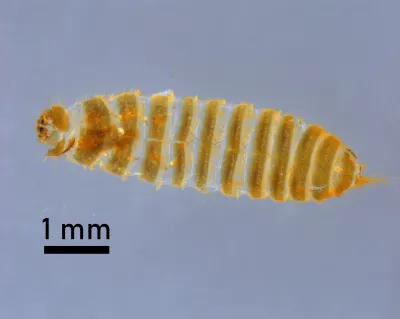
ROMULUS, Mich. — U.S. Customs and Border Protection agriculture specialists intercepted khapra beetle remains—touted as the world’s most invasive grain pest—at Detroit Metropolitan Airport last April.
A traveler returning from Lebanon, April 18, was referred to secondary inspection for an agriculture examination, and a small bag of undeclared seeds for growing purposes was discovered in the passenger’s luggage. The traveler received a warning to declare all agricultural goods and was released; CBP seized the seeds.
Upon closer inspection, agriculture specialists discovered a single cast skin in the bag of seeds. Local CBP and USDA officials identified the specimen as potentially being khapra beetle. Differentiating khapra beetle from closely related species is difficult and entails micro dissection, and USDA were able to officially identify the specimen as khapra beetle.
“Khapra beetle is one of the many significant threats we face at our borders,” said Area Port Director Fadia Pastilong. “This particularly destructive insect is known to be extremely difficult to detect, which is why even intercepting a cast skin is a big deal.”
Due to its invasive nature, khapra beetle is one of several insects USDA considers quarantine significant—dead or alive. Infestations of this beetle–when it enters warehouses or granaries–causes stored products to be inedible. This can rapidly devastate our nation’s agricultural economy. This, coupled with its ability to go dormant and its resistance to pesticides, has resulted in previous control efforts being long-term and costly.
“We understand there may not be an explicit intent to bring a destructive pest into the U.S., but that is why it is absolutely essential for travelers to make an honest declaration of what they are bringing in,” said CBP Director of Field Operations Marty C. Raybon. “This allows CBP personnel to examine items, if necessary, to determine if they are permissible and free of any potential threats.”
Travelers can help prevent the introduction of exotic pests and diseases by declaring all food and plant items upon arrival to the U.S.