
Today in History - March 4 - Inauguration Day
Arizona Free Press
← Back to
Other Stories
Until the ratification of the Twentieth Amendment in 1933, the official day for presidential inaugurations was March 4. When the fourth fell on a Sunday, as it did in 1821, 1849, 1877, and 1917, the ceremonies were held on March 5.
The first president of the United States, George Washington, was not inaugurated until April 30. Although Congress scheduled the first inauguration for March 4, 1789, they were unable to count the electoral ballots as early as anticipated. Consequently, the first inauguration was postponed to allow the president-elect time to make the long trip from his home in Virginia to the nation’s capital in New York City.
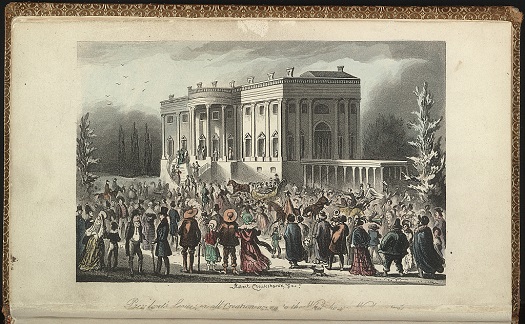
In celebration of his inauguration on March 4, 1829, President Andrew Jackson invited the American public to the White House. Overwhelming crowds ruined many White House furnishings and forced the new president to make a getaway through a window. Undeterred by the raucous reception, Jackson continued to host public parties at the residence.
In 1921, President-elect Warren G. Harding set another inaugural first by traveling to the Capitol for his inauguration in an automobile. It was just one sign of the changing times. With modern advances in communication and transportation, election officials and newly-elected candidates no longer needed four months to gather election returns and travel to Washington. To minimize the transition period between Election Day and Inauguration Day, and curtail “Lame Duck” Congresses in which members defeated in November served until March, legislators introduced the Twentieth Amendment to the U.S. Constitution. It was ratified in 1933, and on January 20, 1937, Franklin D. Roosevelt became the first U.S. president sworn into office in January.